Montenegro · Old town · City walls · Cable car
Kotor: walls, cathedral, cable car and how to visit them
What costs money in Kotor and what does not, with official prices and the date we read them: the walls and St John’s Fortress, the cable car, the City Pass, the cathedral and the museum.
Today
Opening hours for every month are on the Opening hours page.
Checked against the official website on 23 October 2026 · Official source
In short
- The old town of Kotor is public space: there is no entry ticket for individual visitors. What you pay for is the climb on the town walls to St John’s Fortress: €15 under the latest municipal notice, dated 28 February 2025. We found no notice for 2026, so confirm the price at the ticket office.
- The walls have two ticket offices, at the Parilo entrance behind the church of St Mary Koleđata (Blessed Ozana) and at the Škaljarska pjaca entrance. We found no online sale for the walls, so buy only at the municipal ticket offices.
- The Kotor–Lovćen cable car takes 11 minutes and costs €20 return or €12 one way at the end-of-season fares we read on 23 October 2026. Fares and hours change with the season, and strong wind can stop the service.
- The Kotor City Pass, sold by the town’s tourist organisation, costs €19 (S, five sites) or €30 (M, ten sites), valid for 30 days with one visit per site. The walls are not included.
- We found no official hours or single-ticket prices for the Cathedral of St Tryphon or the Maritime Museum, so we give none. Guided walks, a cruise excursion and day trips sold by our booking partners are on the Tickets page.
The city walls
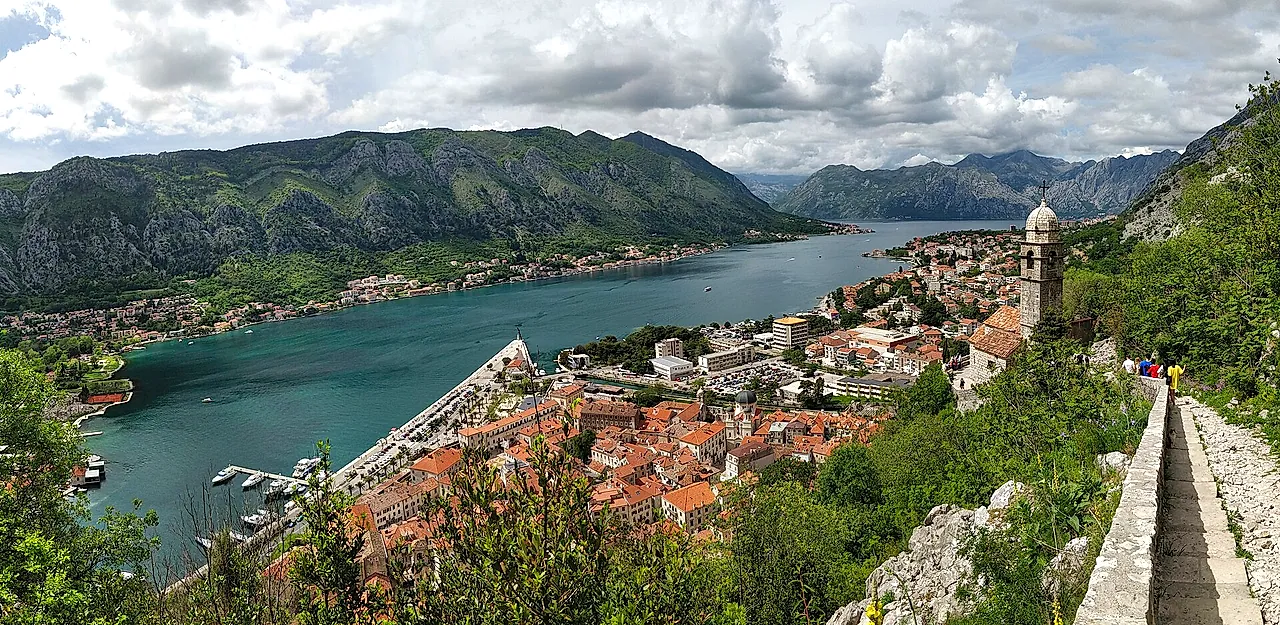
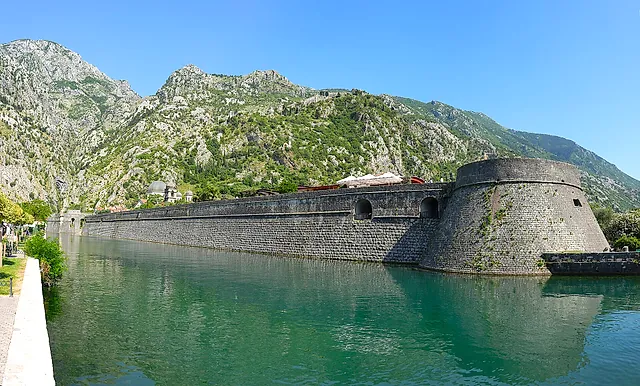
The circuit is more than 4 km long and reaches 20 m in height: it follows the shore on the western side of the town, passes the Gurdić spring to the south and climbs the rock of St John. Of its gates, the north one was built after a victory over the pirate Barbarossa, and the south one has a three-part defence and an 18th-century bridge over the spring (town tourist organisation, “Walls of Kotor”, 16 March 2025).
The wall ticket pays for the climb up to St John’s Fortress, not for the old town below. The climb has about 1,350 steps on a 1.2 km path with 260 m of height gain, from the church of Blessed Ozana to the top: these are the figures published for the town’s Staircase Race (tourist organisation, events page).
St John’s Fortress and the path up
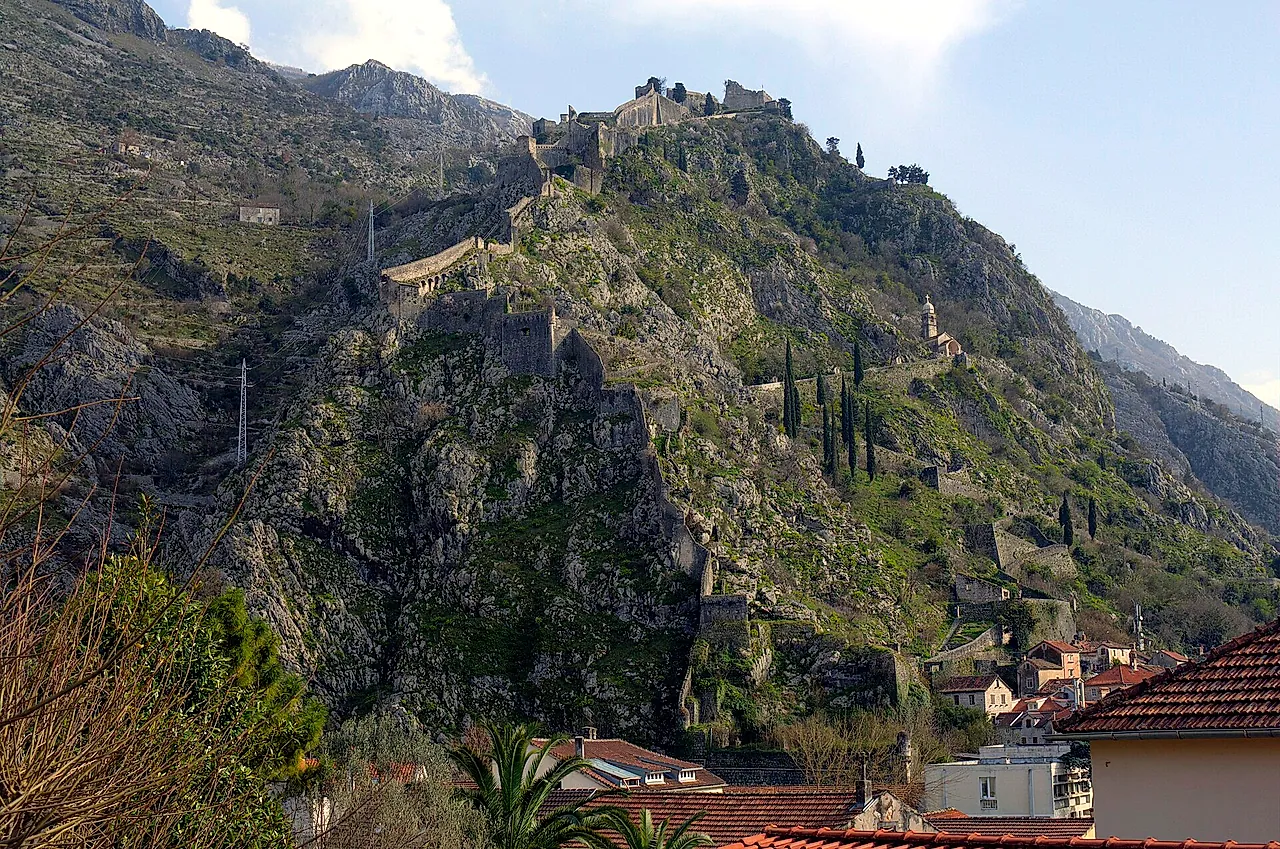
The fortress stands on a 70 m crag above the old town and was the command post of the defence (town tourist organisation). Baedeker’s Austria-Hungary of 1911 describes the walls climbing to Fort San Giovanni, 920 feet up, and says that entry needed the commandant’s permission; it recommends the view from the chapel of Our Lady of Health (Madonna della Salute) on the way (pp. 409–410).
Today the climb is a ticketed visit. Figures for the height of the fortress differ by source (260 m in some, 920 feet in Baedeker), and we found no official height above sea level, so we give none.
Cathedral of St Tryphon
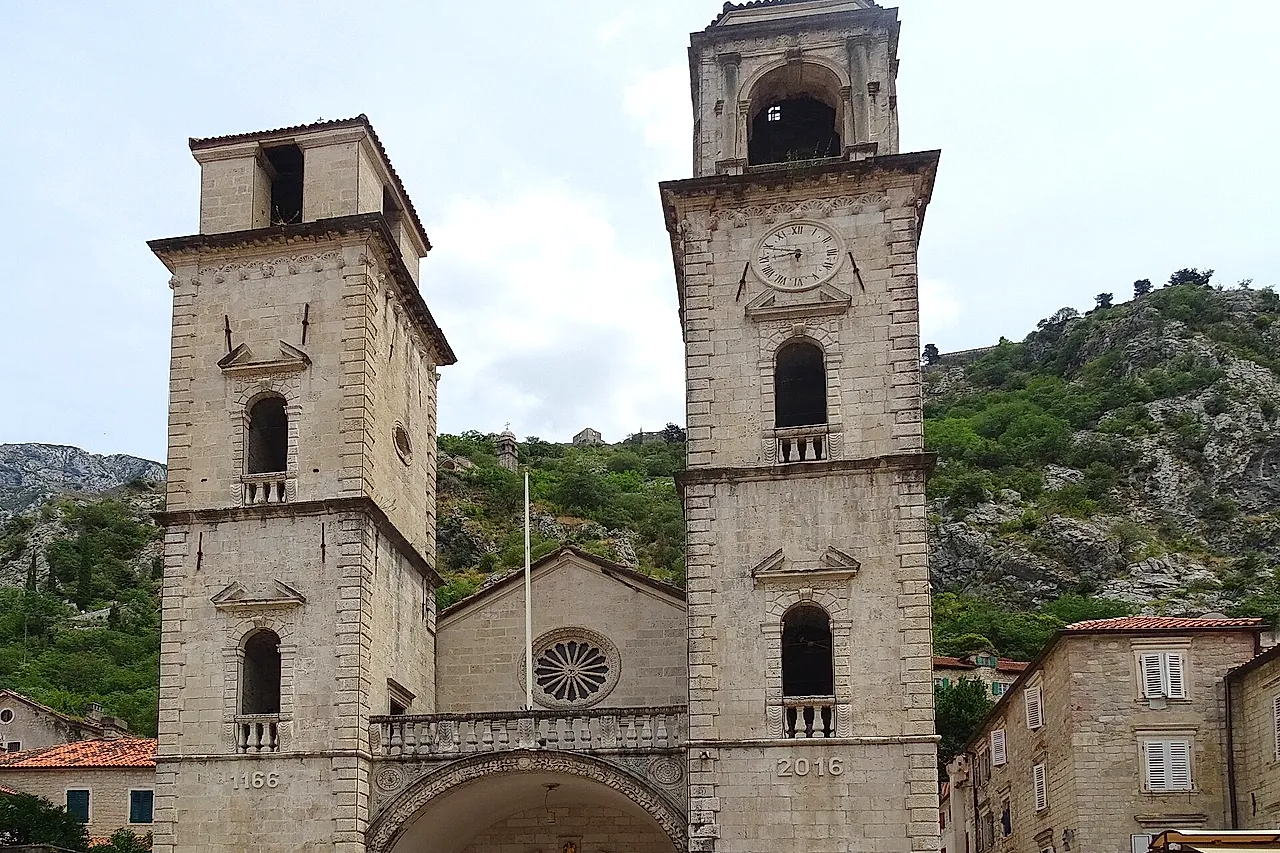
The Romanesque cathedral was consecrated in 1166 over an older church of the patron saint and has survived four major earthquakes (town tourist organisation). Wikipedia adds that it was badly damaged in 1667 and 1979, and that the restoration of the interior took 14 years and ended with a blessing on 2 December 2000.
Visits are not possible during masses, weddings, baptisms and other ceremonies. We found no official opening hours or single-ticket price (blogs quote different figures, which we do not use); the cathedral is included in the Kotor City Pass. Baedeker’s Austria-Hungary (1911, pp. 409–410) notes the chapel of the patron saint, whose feast falls on 3 February.
Inside the cathedral and the other churches
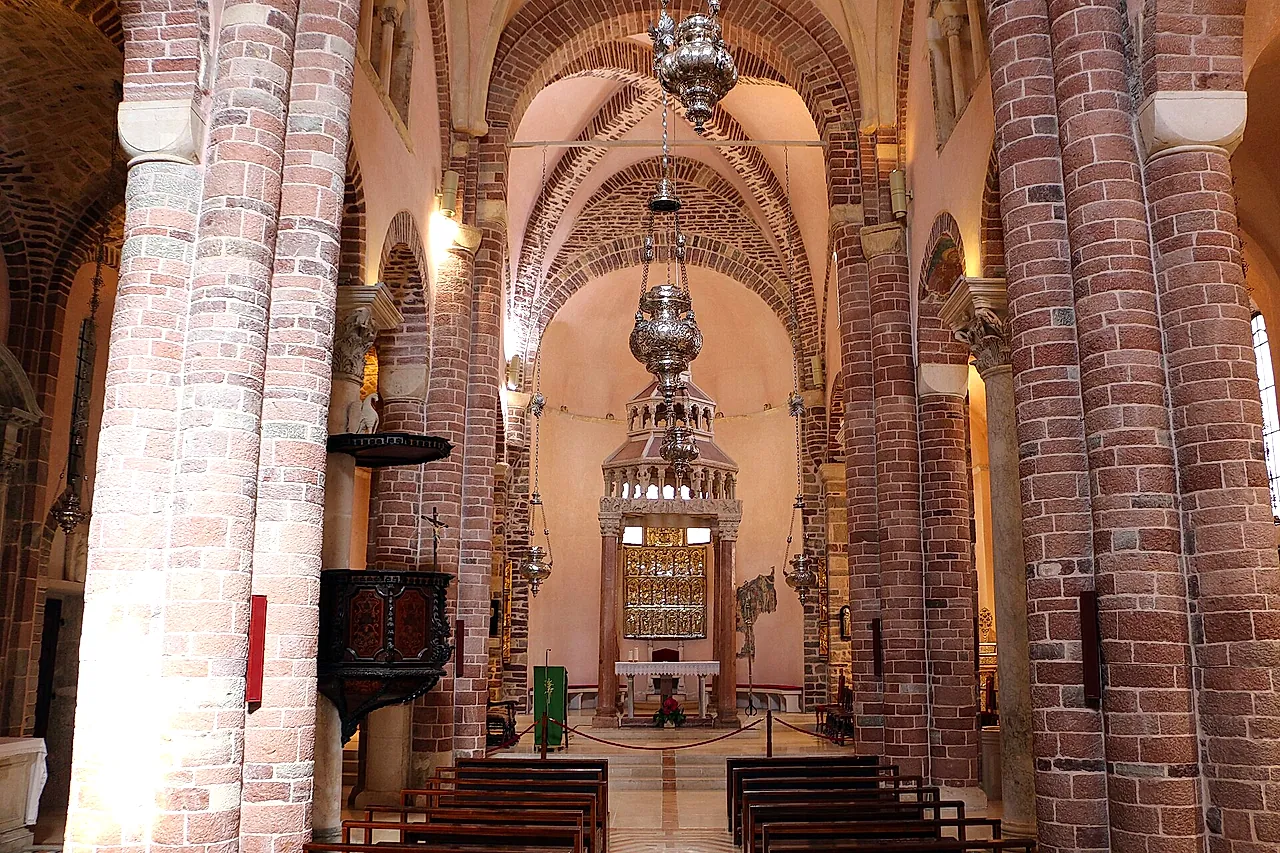
The nave is Romanesque, with brick-and-stone columns and vaults. According to Wikipedia the church keeps 14th-century frescoes and a treasury that includes a silver hand and a cross.
The City Pass also covers the Orthodox church of St Nicholas and the church of St Luke. We found no official hours or prices for either, and visits are not possible during services (town tourist organisation).
The Maritime Museum
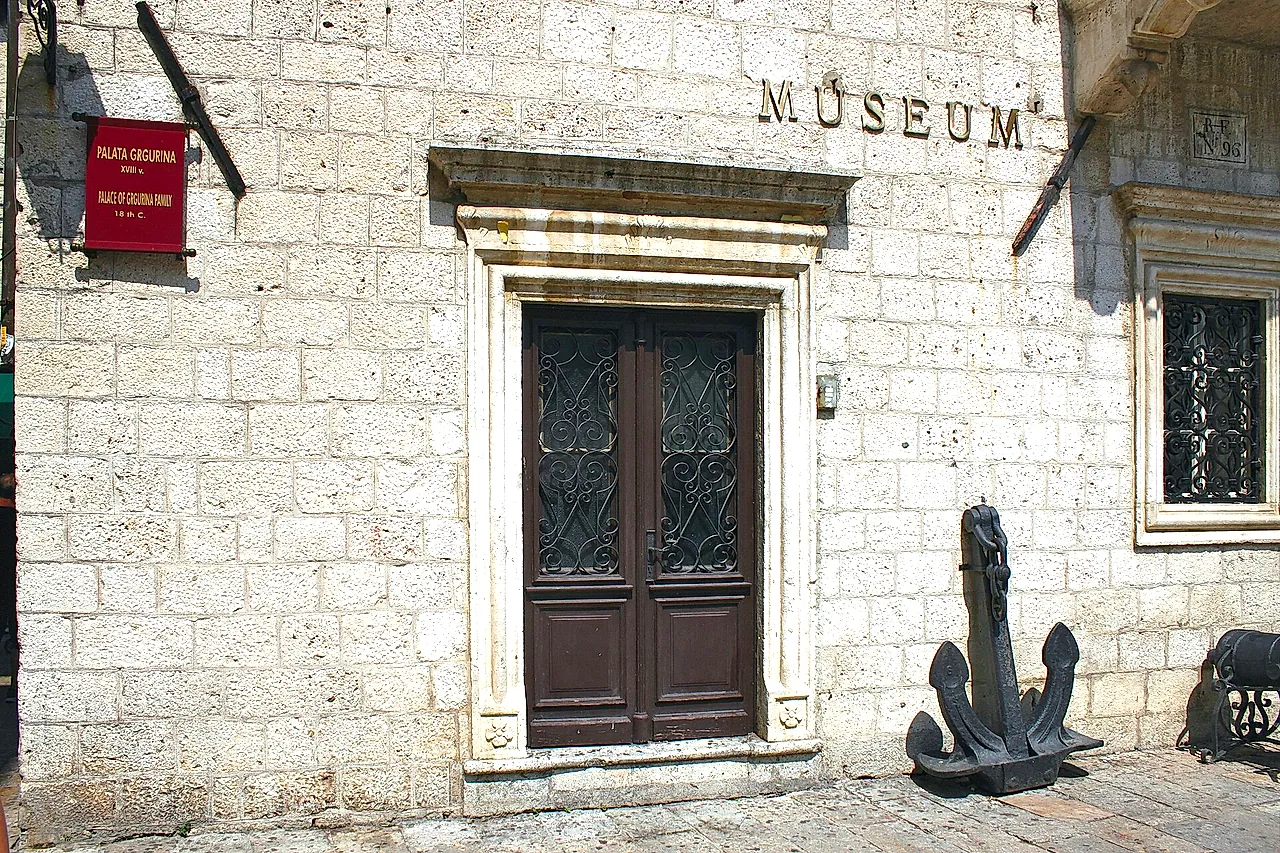
The Maritime Museum of Montenegro is in the Grgurina Palace, in the old town. It is included in the City Pass. The museum’s website returned an error when we tried on 23 October 2026, and the archived copies of its pages are old or contradict each other, so we give no hours or prices: ask on the spot or check the website again before you go.
The City Pass covers the museum, the cathedral, the churches of St Nicholas and St Luke and the Boka Aquarium, which is outside the old town, in Dobrota. See the Tickets page for the City Pass prices.
The old town: gates, squares and lanes
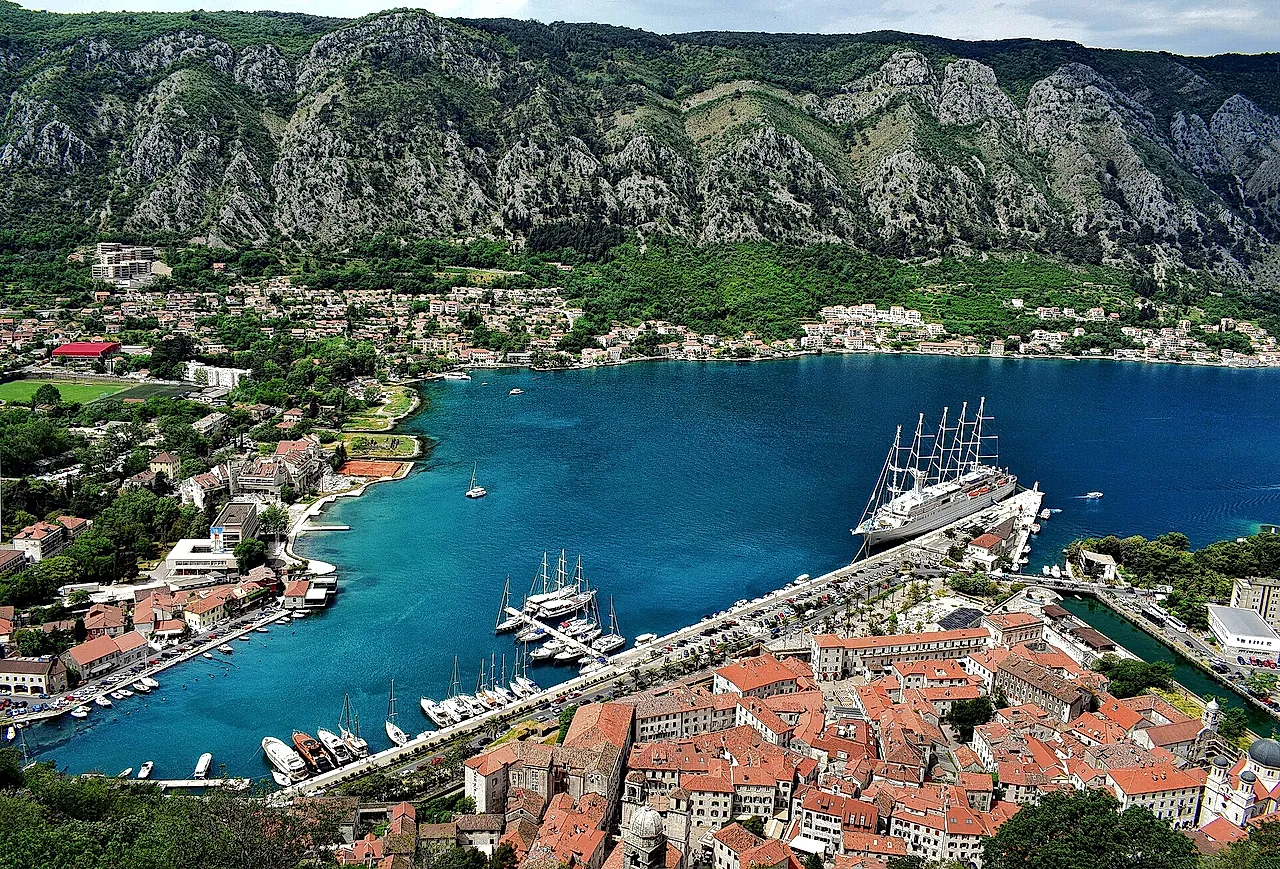
The old town grew without a plan, so its lanes are irregular and many have no official name; several squares take their names from goods once sold there. The Sea Gate is the main entrance and houses an information centre, and the Clock Tower stands on the Square of Arms (town tourist organisation). The old town is pedestrian.
In 1911 Baedeker’s Austria-Hungary noted a Roman altar in front of the Clock Tower and a small market outside the Fiumera gate on Tuesdays, Thursdays and Saturdays, attended by Montenegrins who had left their weapons at the border (pp. 409–410).
The cable car and Lovćen
The cable car links Kotor with the slopes of Lovćen in 11 minutes. At the top the operator lists viewpoints and hiking trails, and paid attractions such as an Alpine Coaster.
We could not confirm how the upper station connects to the Njegoš Mausoleum, which is a separate site run by the National Museum of Montenegro. The mausoleum, its season and its price are on the Bay of Kotor page.